Influence Profile
No genre data available
Genre information will appear here once available
Trending in Mohammed Rafi’s World
Latest Album
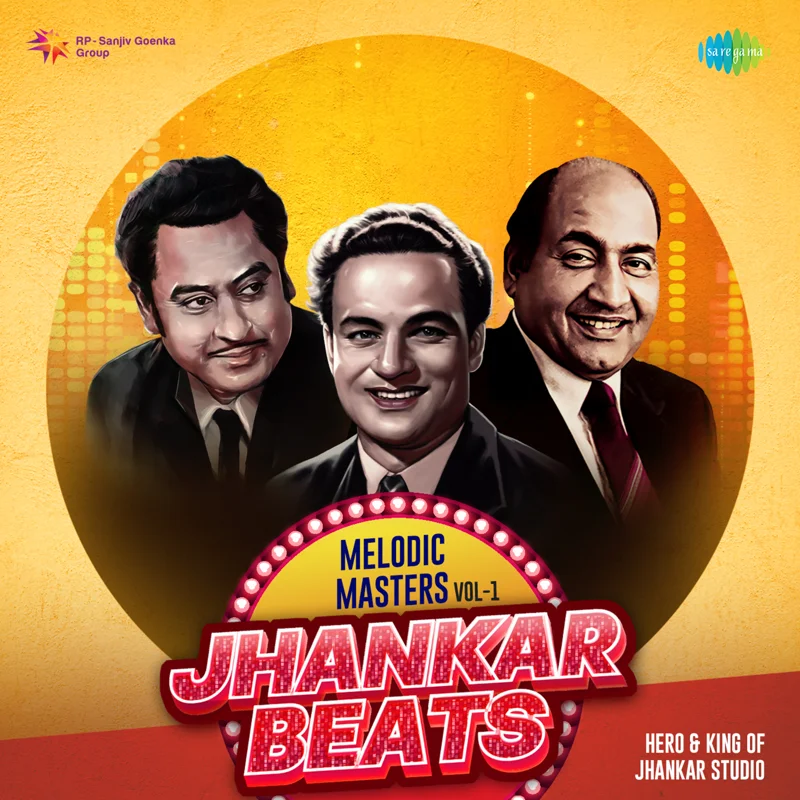
Melodic Masters, Vol. 1
Released Aug 30, 2024
Trending Globally
No trending songs available.
Album

Story
Quick Facts
Born
1924
1924
From
India
India
Journey
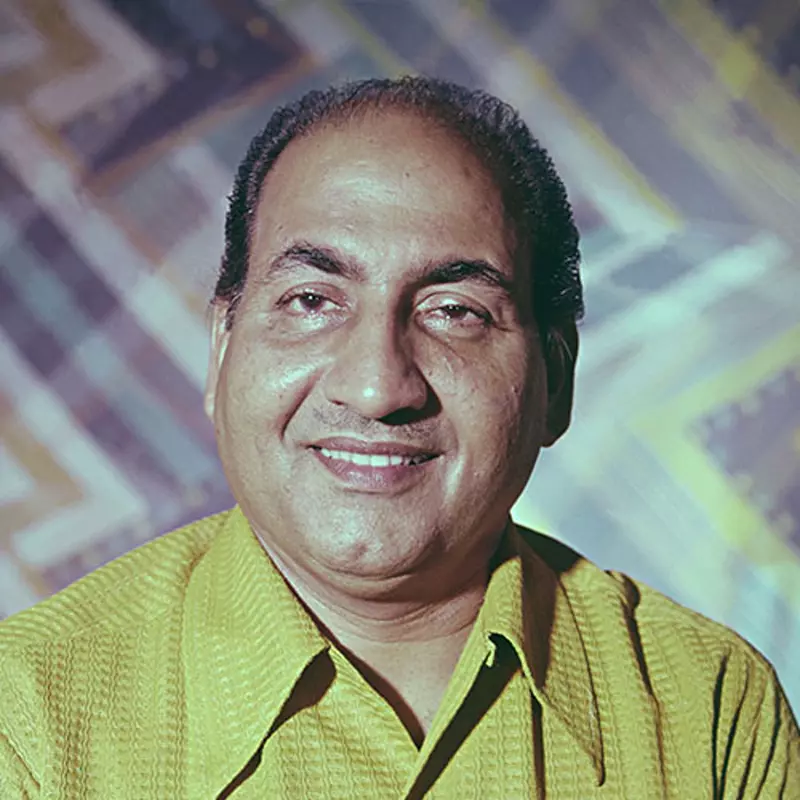
Mohammed Rafi's journey from a small village in Punjab to the heart of India's film industry is one of the remarkable stories in the history of recorded music. Born in Kotla Sultan Singh, near Amritsar, he developed an interest in singing while still young, reportedly imitating the chants of a wandering fakir. His family later moved to Lahore, where his musical abilities received greater encouragement and training.
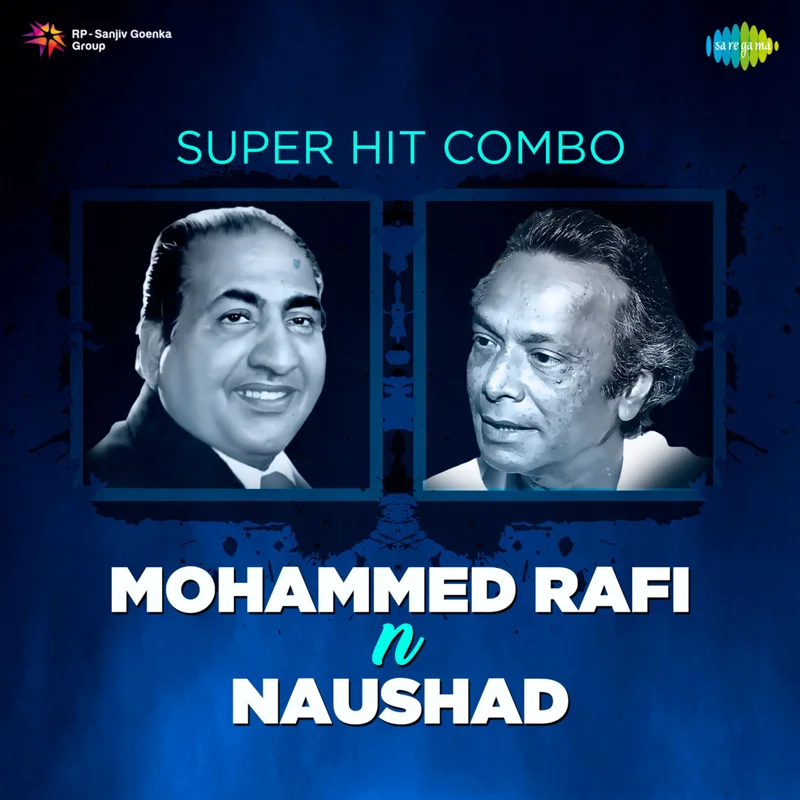
Rafi's first recorded work came in Lahore in the early 1940s, and he moved to Bombay in 1944 to pursue opportunities in Hindi cinema. His early career included work with composers and filmmakers who helped establish him in the industry. A decisive turning point arrived with Naushad's music for Baiju Bawra in 1952. Performances such as “O Duniya Ke Rakhwale” and “Man Tarpat Hari Darshan Ko Aaj” demonstrated the power, range, and classical control that would become central to his reputation.
His collaborations formed another major part of his career. Rafi worked with composers including Naushad, S. D. Burman, O. P. Nayyar, Shankar-Jaikishan, Laxmikant-Pyarelal, and R. D. Burman, while sharing memorable recordings with singers such as Lata Mangeshkar, Asha Bhosle, and other leading voices of Indian cinema.
Rafi's catalog grew to thousands of recordings during a career lasting roughly four decades. The frequently repeated claim that he recorded more than 25,000 songs comes partly from Rafi's own statement during a 1977 BBC interview.
His achievements were formally recognized throughout his career. He received the Padma Shri in 1967 and won six Filmfare Awards for Best Male Playback Singer. His sixth Filmfare victory came in 1977 for “Kya Hua Tera Wada” from Hum Kisise Kum Naheen, the same performance that earned him the National Film Award for Best Male Playback Singer.
The late 1970s also showed his ability to remain relevant as musical tastes changed. After a period of reduced output associated with a throat problem, he returned to prominence, recording for films including Laila Majnu. His success with “Kya Hua Tera Wada” demonstrated that his voice could still command attention during a period when younger singers were becoming increasingly prominent.
Rafi died in Bombay on July 31, 1980, aged 55, after a heart attack. His final years did not mark the end of his influence. His recordings continued to circulate across generations, and later honors included a posthumous “Best Singer of the Millennium” recognition in 2001. In 2013, viewers of CNN-IBN voted him the Greatest Voice of Hindi Cinema, while India has also commemorated him through postage stamps, public spaces, and a Google Doodle marking what would have been his 93rd birthday in 2017.
Decades after his death, those recordings remain central to the history of Indian film music and continue to introduce new generations to one of its most accomplished voices.